
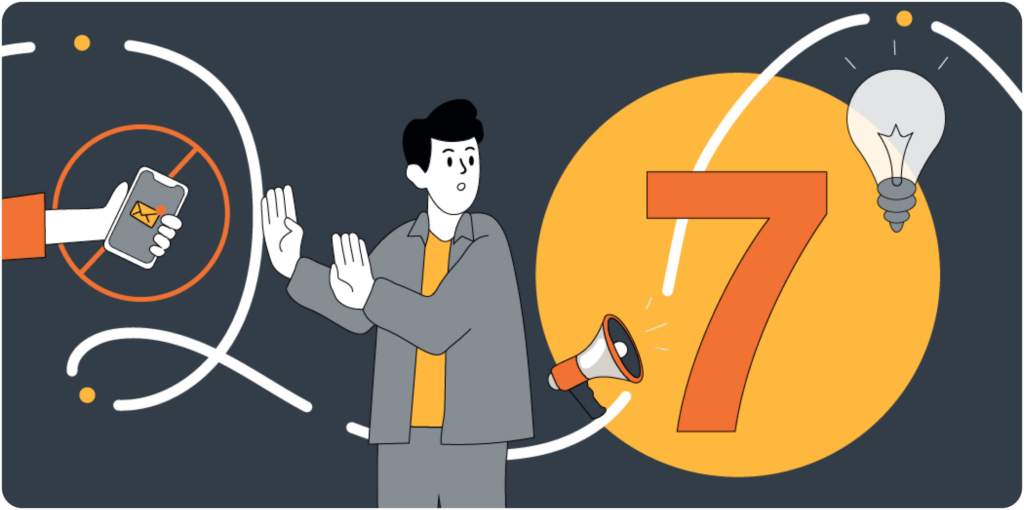

Not everyone wakes up eager to scroll through endless feeds or craft the perfect post. If the thought of social media marketing makes you cringe, you’re far from alone. Plenty of business owners and marketers feel overwhelmed or simply uninterested in chasing likes and shares. But here’s the good news: you don’t have to dive into the social media frenzy to grow your business. There are plenty of effective strategies that don’t rely on tweets, hashtags, or viral videos.
Why You’re Not Alone In Avoiding Social Media
The growing fatigue with constant content creation
Social media can feel like a relentless treadmill. The pressure to constantly create content, engage with followers, and keep up with trends is exhausting. Many people experience burnout from the never-ending cycle of posting and monitoring. This fatigue isn’t just personal-it’s a widespread phenomenon. Studies show that a significant number of users are taking breaks or quitting platforms altogether due to stress and anxiety related to social media use.
For business owners, this constant demand can be even more draining. Crafting content that’s both authentic and engaging takes time and energy-resources that could be spent elsewhere. If you’re someone who’d rather focus on your craft or service than on chasing social media fame, you’re not alone in feeling this way. The emotional toll of curating a perfect online persona can lead to feelings of inadequacy and self-doubt, as users often compare their behind-the-scenes reality to the highlight reels of others. This comparison culture can exacerbate feelings of isolation, as individuals may feel that everyone else is thriving while they struggle to keep up.
Moreover, the algorithms that govern social media platforms often favour sensationalism over substance, pushing users to create content that may not align with their values or brand identity. This dissonance can lead to a disconnect between a business’s mission and its online presence, further contributing to the feeling of burnout. As more individuals recognise the toll that social media can take on mental health, many are opting for a more balanced approach, prioritising genuine interactions and personal well-being over online visibility.
Not every business needs to go viral to grow
Going viral sounds exciting, but it’s not a realistic or necessary goal for most businesses. Viral success is unpredictable and often fleeting. Instead, steady growth through meaningful connections and consistent marketing efforts tends to be far more sustainable. Many successful companies have thrived for years without ever relying on social media virality.
Focusing on your core audience and building trust can yield better long-term results than chasing fleeting online trends. It’s about quality, not quantity. You don’t need millions of followers to make a real impact-just the right customers who value what you offer. By cultivating a loyal customer base, businesses can benefit from word-of-mouth referrals and repeat patronage, which are often more valuable than a short-lived viral moment.
Engaging directly with customers through personalised communication, whether via email or in-person events, fosters a sense of community that social media often fails to provide. This approach not only strengthens relationships but also enhances customer loyalty, ensuring that your business remains resilient in a rapidly changing marketplace.
Tip 1: Focus On Your Local Area, Not The Entire Internet
Local marketing builds real relationships and repeat business
When you concentrate your marketing efforts locally, you tap into a community that’s more likely to support your business repeatedly. Local customers appreciate businesses that feel familiar and accessible. This connection fosters loyalty and word-of-mouth recommendations, which are invaluable for growth.
Engaging with your local area can mean sponsoring community events, partnering with nearby businesses, or simply making your presence known in local directories and publications. These efforts build trust and make your business a recognised part of the neighbourhood. Furthermore, by participating in local events, you not only showcase your offerings but also demonstrate your commitment to the community. This can be particularly effective during seasonal festivities or charity events, where your involvement can resonate deeply with local residents.
Why hyperlocal beats hyperviral for most small businesses
While viral content might bring a sudden spike in attention, hyperlocal marketing creates a steady stream of customers who live or work nearby. These people are more likely to become repeat clients and advocates for your brand. Hyperlocal efforts are targeted, cost-effective, and often more manageable than trying to appeal to a global audience.
For example, a café that sponsors a local sports team or a boutique that hosts community workshops can generate buzz and loyalty without ever needing to post on social media. The focus is on meaningful, face-to-face connections rather than fleeting online fame.
Additionally, leveraging local influencers or community leaders can amplify your message, as their endorsement carries weight and trust within the community. By fostering these relationships, you not only enhance your visibility but also create a network of support that can be beneficial for future collaborations and initiatives.
Tip 2: Build a Memorable Brand That Doesn’t Rely on Likes
Offline touchpoints leave stronger impressions
Branding isn’t just about logos and colours; it’s about the entire experience your customers have with your business. Creating memorable offline touchpoints like beautifully designed packaging, personalised thank-you notes, or a welcoming shop atmosphere can leave a lasting impression that no social media post can match.
These tangible experiences stick with customers and encourage loyalty. When people can physically interact with your brand, it feels more real and trustworthy. This kind of emotional connection often translates into repeat business and referrals.
Moreover, consider the impact of hosting local events or workshops that allow customers to engage directly with your brand. Such initiatives not only foster a sense of community but also provide an opportunity for customers to experience your brand’s values and ethos firsthand. Imagine a quaint café hosting a coffee brewing workshop, where participants not only learn about the art of brewing but also develop a personal connection with the baristas and the brand itself. These interactions can create advocates for your brand, who are likely to share their experiences with friends and family, further amplifying your reach.
Additionally, think about the power of storytelling in your branding efforts. Sharing the journey of how your business came to be, or the inspiration behind your products, can resonate deeply with customers. This narrative can be woven into the fabric of your offline touchpoints, such as through engaging signage in your store or through the stories printed on your packaging. By inviting customers into your brand’s story, you create a deeper connection that transcends the digital realm, making your brand not just a choice, but a part of their lifestyle.
Tip 3: Use Letterbox Drops To Reach Households Directly
How physical mail sidesteps the algorithm entirely
Algorithms control what people see online, often limiting your reach unless you pay to boost posts. Physical mail, on the other hand, goes straight to people’s homes without any gatekeepers. Letterbox drops are a direct way to reach potential customers in your area without competing for attention in crowded digital spaces.
This method can be surprisingly effective, especially when your message is clear, well-designed, and targeted. It’s a way to stand out by being tangible and personal in an increasingly digital world. The sensory experience of holding a well-crafted piece of mail can evoke a sense of trust and authenticity that digital communications often lack. In an age where inboxes are overflowing and notifications are incessant, a thoughtfully designed flyer or postcard can capture attention in a way that online ads struggle to achieve.
Letterbox Marketing and Direct Mail Marketing
Letterbox marketing involves distributing flyers, brochures, or postcards to homes within a specific area. Direct mail marketing is similar but often more personalised, such as sending tailored offers or newsletters to existing customers. Both approaches can generate strong local awareness and prompt immediate action. The beauty of letterbox drops lies in their ability to reach households that may not be as engaged with digital platforms, particularly older demographics who might prefer traditional forms of communication.
Many businesses report high return on investment from letterbox campaigns, especially when combined with clear calls to action and attractive offers. It’s a straightforward way to get your message into the hands of people who matter most in your neighbourhoods and community. Moreover, incorporating local themes or community events into your mailings can further enhance engagement, making recipients feel as though they are part of something larger. By aligning your message with local interests or seasonal festivities, you not only capture attention but also foster a sense of belonging, encouraging potential customers to respond positively to your outreach efforts.
Tip 4: Create Offers That People Talk About In Real Life
Word-of-mouth still starts with a good offer
Nothing beats a great offer when it comes to sparking conversation. Whether it’s a limited-time discount, a freebie with purchase, or an exclusive event, compelling offers encourage customers to share their experiences with friends and family.
Word-of-mouth remains one of the most powerful marketing tools. People trust recommendations from people they know far more than ads or social media posts. Crafting offers that delight your customers can turn them into enthusiastic advocates who spread the word naturally.
Tip 5: Collect Customer Emails And Use Them Well
Email marketing is often overlooked by those who focus solely on social media, but it remains one of the most effective ways to communicate directly with your audience. Building an email list allows you to share news, offers, and valuable content without relying on algorithms or fleeting attention spans.
One well-crafted email a month can keep your business top of mind without overwhelming your customers or yourself. It’s a low-stress, high-impact approach that nurtures relationships over time.
One good email a month > daily instagram stress
Trying to post every day on Instagram or other platforms can be exhausting and time-consuming. Instead, focus on sending one thoughtful email each month. This gives you space to craft meaningful messages that resonate, rather than rushing out content just to keep up appearances.
Emails also allow for personalisation and segmentation, so you can tailor your messages to different groups within your audience. This targeted approach often leads to better engagement and higher conversion rates than generic social media posts.
Tip 6: Tap Into Your Existing Customers
Your current customers are your best marketers
It’s far easier and more cost-effective to sell to existing customers than to find new ones. These people already know and trust your brand, making them ideal candidates for repeat business and referrals.
Encourage your loyal customers to spread the word by offering referral incentives or simply asking for recommendations. Their genuine enthusiasm can open doors to new clients who might never have found you otherwise.
Tip 7: Use QR Codes To Blend Offline With Online
Let your flyer, poster, or postcard do the digital work
QR codes are a simple yet powerful tool to connect offline marketing with online content. Adding a QR code to your printed materials lets interested customers quickly access your website, menu, booking system, or special offers with a quick scan.
This seamless blend of physical and digital channels can enhance the customer experience without forcing you to maintain a heavy social media presence. It’s a smart way to provide more information and engagement opportunities while keeping your marketing manageable.
Final Thoughts… You Can Grow Without Social Media!
Social media isn’t the only path to business success. If it doesn’t suit your style or resources, there are plenty of other ways to connect with customers and grow your brand.
Local marketing, memorable offline experiences, direct mail, letterbox drops, clever offers and leveraging your existing customers all work together to build a thriving business.
Focus on what feels authentic and manageable for you. Growth comes from meaningful connections, not chasing trends or likes. With the right approach, you can build a loyal customer base and enjoy the process-without ever needing to log in to social media.
Get in touch today to find how we can help you grow!